







Search Results for: Global Flavor Special Blend
A Complete Guide to Panama Hacienda La Esmeralda Geisha Coffee: Flavor Profiles and Origins of the Three Brands—Red Label, Green Label, and Diamond Mountain
Hacienda La Esmeralda in Panama is the benchmark origin for Geisha coffee worldwide, and its three main brands currently on sale each have distinct characteristics: Esmeralda Special (Red Label Geisha) is a competition-auction grade, grown at 1,600–1,800 meters above sea level, scoring above 91 points in cupping, and available only through global auctions; Private Collection (Green Label Geisha) consists of non-competition micro-lots blended beans of excellent quality, offering better value for money; Diamond Mountain is a star product that is not Geisha, composed of Caturra and Catuai, and produced from the two farms Jaramillo and Cañas Verdes. Front Street Coffee offers both washed and natural lots for all three brands, with flavors ranging from tropical fruit to citrus and honey, each with its own merits. This article will provide a detailed interpretation of each brand's origin information, grade classification, processing methods, and cupping performance, helping coffee enthusiasts gain a comprehensive understanding of Hacienda La Esmeralda's product system. [more…]

Blue Bottle founder visits Shanghai in person, using a 1950s lever machine to present a coffee Omakase feast
Blue Bottle founder James Freeman and Global Head of Innovation and R&D Benjamin Brewer arrived in Shanghai ahead of schedule and, on the second floor of Blue Bottle's first domestic store, shared the special menu for Blue Bottle Studio Shanghai with coffee lovers. From an opening of extremely light-roast Sumatra "white coffee," to a long drink simulating cupping, a short drink brewed with a flannel dripper, a shaken milk au lait, and then a digestif combining Fenjiu with naturally processed Ethiopian coffee, the entire tasting was paired with vinyl records selected by James, making it nothing short of a multisensory coffee experience. In addition, there was an Espresso 1950 not on the official menu, made with a 1950s FAEMA lever machine, adding a retro Italian touch to the event. [more…]
A Complete Global Guide to Coffee Varieties: Flavors, Characteristics, and Processing Methods from Arabica to Robusta
The coffee world is far more diverse than one might imagine. From a biological perspective, coffee is mainly divided into three major categories: Arabica, Robusta, and Liberica, with the first two accounting for the vast majority of global production. Arabica is known for its balanced flavor and elegant aroma, and is often used for single-origin and specialty coffee; Robusta, with its strong acidity and rich body, is an important ingredient in espresso blends and instant coffee. Beneath this, varieties such as Typica, Bourbon, Caturra, and Geisha each have their own characteristics, with flavors ranging from nutty chocolate to floral and fruity notes. In addition, green bean processing methods such as natural, washed, honey, and wet-hulled also profoundly affect the final acidity, sweetness, and body of a cup of coffee. This article will systematically sort out the origins, characteristics, and flavor expressions of the world's major coffee varieties, helping coffee enthusiasts build a complete framework of variety knowledge. [more…]
Yirgacheffe vs. Major Global Coffee Regions: A Detailed Comparison of Taste and Grading from Mandheling to Geisha
When we talk about coffee flavors, descriptors like tropical fruit, caramel, nuts, and cocoa actually all originate from the SCAA (Specialty Coffee Association of America) flavor wheel. This article will take Ethiopia's Yirgacheffe as a starting point and provide a横向 comparison of the taste characteristics and grading systems of major renowned coffee-producing regions around the world, covering Mandheling, Blue Mountain, Hawaiian KONA, Geisha, Brazil, Colombia, Kenya AA, Guatemala Antigua, and Costa Rica, among others. Whether you are just getting into single-origin coffee or want to gain a deeper understanding of the differences among producing regions, this article will help you build a clear sensory coordinate system. Front Street Coffee will also recommend bean varieties worth trying. [more…]
A Detailed Guide to Panama Hacienda La Esmeralda Geisha Grades: Flavor Differences and Buying Guide for Red, Green, and Blue Labels
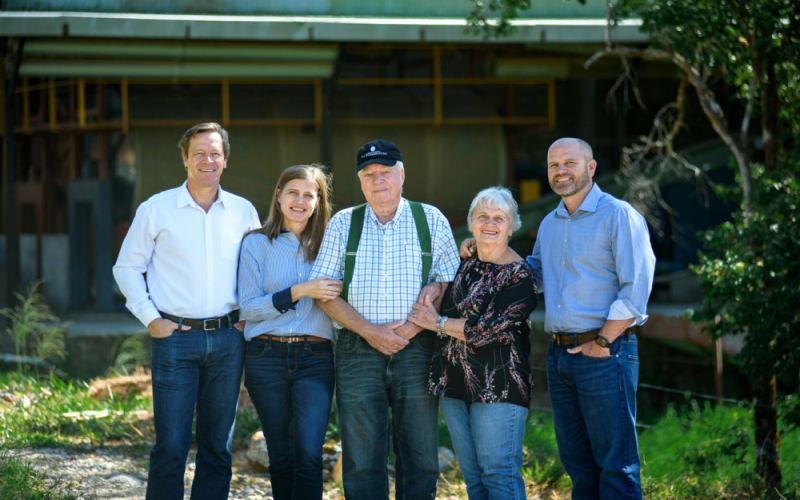
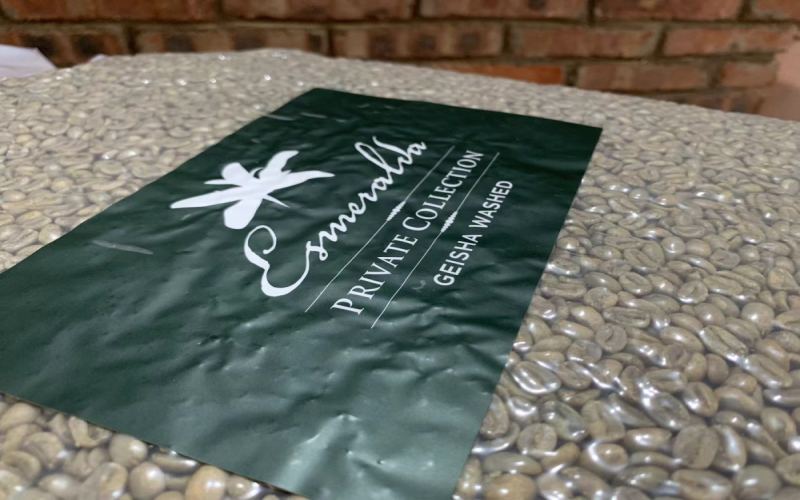
The Geisha coffee from Panama's Hacienda La Esmeralda is nothing short of a legend in the specialty coffee world, yet the differences between the Red Label, Green Label, and Blue Label often leave enthusiasts puzzled. This article begins with the estate's history, tracing how the Peterson family transformed a retired farm into a world-class coffee estate, then takes a deep dive into the growing altitudes, cupping standards, processing methods, and flavor profiles of the three grades of Geisha. Whether you want to understand what makes the auction lots so precious or are looking for a high-value everyday Geisha, Front Street Coffee's recommendations and brewing parameters can serve as your reference. [more…]
A Complete Guide to Panama Hacienda La Esmeralda Geisha Coffee: Grading Characteristics and Discovery History of Red, Green, and Blue Labels
Hacienda La Esmeralda in Panama is a legend in the specialty coffee world, and its Geisha coffee is renowned worldwide for its stunning floral and fruity aromas. This article provides a detailed analysis of the cultivation altitude, processing methods, flavor characteristics, and purchasing channels of Hacienda La Esmeralda's Red Label, Green Label, and Blue Label Geisha coffee beans, and reviews the complete story of Geisha from its discovery to fame. It also shares Front Street Coffee's roasting tests and cupping experiences with Green Label Geisha, as well as recommended pour-over brewing parameters, taking you on a comprehensive journey to understand the unique charm of this top-tier coffee. [more…]
A Complete Guide to Panama Hacienda La Esmeralda's Grading System: Flavor Profiles and Brewing Guide for Red, Green, and Blue Label Geisha Coffee Beans
Panama's Hacienda La Esmeralda is the discoverer and promoter of the Geisha flavor, and its grading system classifies Geisha coffee beans into different grades such as Red Label, Green Label, and Blue Label, becoming a quality benchmark in the specialty coffee world. Front Street Coffee's most expensive bean comes from here. This article will guide you through Hacienda La Esmeralda's geographical and climatic advantages, the layout of its four major farms, the logic behind its grading system, and the specific differences between Red Label, Green Label, and Blue Label Geisha in terms of cupping flavor and brewing performance. It will also introduce the Geisha characteristics of well-known Panamanian estates such as Janson and Hartmann, providing coffee enthusiasts with a complete reference for purchasing and tasting. [more…]
Why is Jamaican Blue Mountain coffee so expensive? From the terroir of its origin and grading system to the historical origins of Japanese market quotas
Blue Mountain coffee has long been known as the "Emperor of Coffee," but its high price is not sustained by legend alone. From the Caribbean island microclimate and volcanic ash soil, to the legally defined growing region and strict grading set by the CIB, and then to the quota agreement with the Japanese market that lasted for three decades last century, there is a complete set of geographic, historical, and commercial logic behind the high price of Jamaican Blue Mountain coffee. From the perspective of Front Street Coffee, this article sorts out what truly makes Blue Mountain No. 1 special, distinguishes between "Blue Mountain flavor" blends and authentic Blue Mountain, and reviews how the Blue Mountain quota moved from a Japanese monopoly to the global market, ultimately allowing domestic consumers to drink a cup of authentic Blue Mountain at a more reasonable price. [more…]
An Analysis of Blue Mountain Coffee Bean Brewing Methods: The Complete Guide to the Differences Between Jamaican Blue Mountain and Blue Mountain Flavor Blends
Jamaican Blue Mountain coffee holds a special place in the global coffee landscape, but misconceptions surrounding it are also particularly numerous. This article starts with a comparison between Front Street Jamaican Blue Mountain coffee and Blue Mountain flavor coffee, sorting out the true definition of Blue Mountain coffee's place of origin, its grading system, and its hierarchical relationship with High Mountain coffee and Jamaican coffee, while also explaining why Blue Mountain flavor blends have nothing to do with Blue Mountain. The article also introduces the suitability of charcoal roasting for Blue Mountain beans, the differences between Japan's traditional flannel brewing and domestic pour-over methods, helping coffee enthusiasts recognize the true face of Blue Mountain coffee and avoid being misled by low-priced "Blue Mountain" when making purchases. [more…]

A Comprehensive Analysis of Hacienda La Esmeralda Geisha Red, Green, and Blue Labels: Origin Story, Grade Classification, and Flavor Comparison
Panama's Hacienda La Esmeralda Geisha coffee beans, with their unique floral and fruity aroma and exceptional quality, have become a legend in the specialty coffee world. This article will take you through the story of Geisha from its discovery to world fame, and explain in detail Hacienda La Esmeralda's plot divisions and the differences between its three grades: Red Label, Green Label, and Blue Label. At the same time, we have compiled the flavor characteristics, roasting recommendations, cupping reports, and brewing parameters of three Geisha coffees, along with practical recommendations from Front Street Coffee. Whether you are a seasoned enthusiast or a first-time taster, you will find valuable information here. [more…]
What Exactly Do the Red, Green, and Blue Labels on Geisha Coffee Beans Mean? Flavor Differences Among Hacienda La Esmeralda Geisha Grades and a Buying Guide
Hacienda La Esmeralda is the benchmark origin for the Geisha variety, and its Geisha coffee beans are classified into three grades—Red Label, Green Label, and Blue Label—according to growing altitude and cupping performance, corresponding to auction lots, private collection lots, and select lots respectively. Red Label comes from the Jaramillo and Cañas Verdes estates at 1,600 to 1,800 meters above sea level, scores above 90 in cupping, and is sold only through the annual global auction; Green Label consists of micro-lots from the three estates and retains the classic Geisha flavor; Blue Label is a blend of beans from the three estates and is only washed processed. Front Street Coffee supplies exactly these three Geisha coffees from Hacienda La Esmeralda, where the juiciness of jasmine, melon, honey, and berries interweaves, showing a balanced yet subtle evolution from warm to slightly cool. This article will explain in detail the grading criteria, origin sources, and flavor characteristics of each grade to help coffee lovers make a choice based on their personal taste. [more…]
Exploring Panama's Boquete Region: A Comprehensive Analysis of Hacienda La Esmeralda's Green Label Washed Geisha
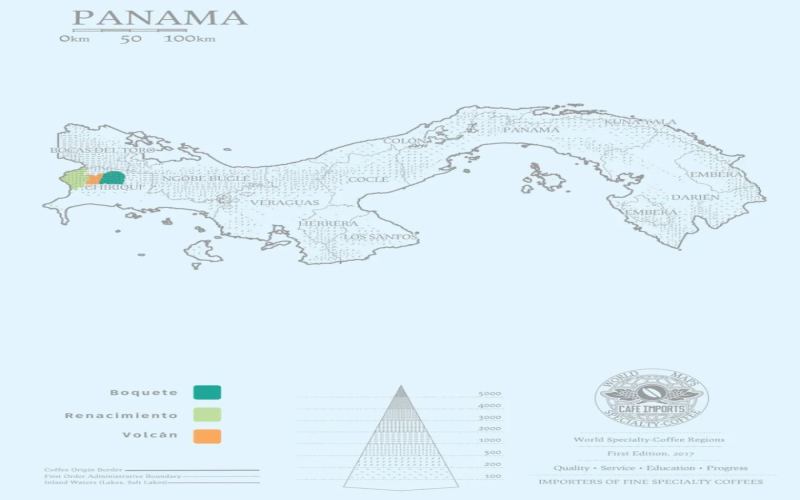
Since Geisha rose to fame in the Best of Panama competition in 2004, it has become a highly sought-after variety in the global coffee world, repeatedly setting price records at major auctions. Panama, as the core producing region of Geisha, has its Boquete area gathering numerous top estates, among which Hacienda La Esmeralda is undoubtedly the most representative name. This article will take you into a deeper understanding of Hacienda La Esmeralda's regional advantages, plot divisions, and Geisha brand system, with a focus on introducing the flavor performance of the Green Label Washed Geisha, while also sharing Front Street Coffee's brewing experience, providing coffee enthusiasts with a detailed reference guide. [more…]
Global Specialty Coffee Origins Flavor Guide: Characteristics of Asian and American Bean Varieties and Analysis of Representative Origins
For coffee enthusiasts, understanding the flavor characteristics of different producing regions is an important step in exploring the world of specialty coffee. This article takes body, acidity, aroma, and other dimensions as its entry point, systematically sorting out the typical styles of Asian, American, and island-type coffees, and introducing one [more…]
A Comprehensive Analysis of the Flavor Profiles and Green Bean Characteristics of Representative Coffee Varieties from Major Global Coffee-Producing Countries
From Cuba's giant Maragogype to Ethiopia's Yirgacheffe, from Kenya AA to Hawaiian Kona, coffee-growing regions around the world produce representative bean varieties with strikingly different styles. This article systematically sorts through the origins, grading methods, growing environments, and flavor characteristics of these coffee beans, helping coffee enthusiasts build an overall understanding of the global coffee map. Whether you prefer the bright fruit acidity of African beans or the rich, mellow bitterness of Indonesian Mandheling, you can find the corresponding flavor coordinates in this guide. Front Street Coffee will also combine years of roasting experience to provide practical reference for beans from different regions. [more…]
A Detailed Explanation of the Grade Classifications of Panama Hacienda La Esmeralda Geisha Coffee: Differences Between Red, Green, and Blue Labels and Cupping Flavors
Hacienda La Esmeralda in Panama is the discoverer and promoter of the Geisha flavor, and its original grading system classifies Geisha coffee into different grades such as Red Label, Green Label, and Blue Label according to altitude and cupping performance. From the perspective of Front Street Coffee, this article systematically reviews the four major brand systems of Hacienda La Esmeralda, explains in detail the origin, altitude, processing method, and flavor differences of Red Label (Esmeralda Special), Green Label (Private Collection), and Blue Label (Geisha 1500), and also introduces the climatic advantages of Panamanian coffee, the characteristics of Janson Estate and Hartmann Estate, as well as Front Street's roasting approach, brewing parameters, and cupping performance for three Geisha coffees, providing coffee enthusiasts with a complete guide to Geisha grades. [more…]
An Analysis of Jamaican Blue Mountain Coffee: Grading, Flavor Characteristics, and Practical Guide to Drip Bag Brewing
Blue Mountain coffee has always occupied a special position in the global coffee market due to its unique flavor profile and strict origin management system. Front Street Blue Mountain coffee blends the four tastes of acidity, bitterness, sweetness, and body in just the right balance, with a lower caffeine content, satisfying both taste and health needs. This article will systematically sort out the definition and producing-area conditions of authentic Blue Mountain coffee, analyze the Jamaica Coffee Board's grading standards and green bean quality control process, explain the grade characteristics of Blue Mountain No. 1 and the freshness-preserving role of barrel packaging, and include the price information and complete brewing steps for Front Street Blue Mountain No. 1 drip bag coffee, helping coffee lovers gain a comprehensive understanding of this legendary coffee. [more…]
Yemen Mocha: Where Coffee First Went Out into the World
In the story of coffee, there is a name almost everyone has heard, yet it is often misunderstood—Mocha. Today it more often refers to a chocolate flavor, or a type of pot, but several hundred years ago, Mocha was a vital hub of the global coffee trade and the starting point from which coffee spread from Ethiopia to the world. This journey begins with the Red [more…]
Yemen Mocha: Where Coffee First Went Out into the World
In the story of coffee, there is one name almost everyone has heard, yet it is often misunderstood—Mocha. Today it more often refers to a chocolate flavor, or a type of pot, but several hundred years ago, Mocha was a vital hub of the global coffee trade and the starting point from which coffee traveled from Ethiopia out into the world. This journey begins with the Red [more…]
A Complete Overview of Global Specialty Coffee Regions: Characteristics and Grading Guides for Famous Beans from Brazil, Blue Mountain, Colombia, and More
The charm of coffee originates from its terroir. This article systematically reviews the world's core specialty coffee origins, from Brazil's balance to Blue Mountain's elegance, to Colombia's standard-bean excellence, as well as Mandheling's richness and Kona's rarity. You will learn about each region's grading systems, processing methods, flavor characteristics, and roasting recommendations, while also receiving Front Street Coffee's professional recommendations for each bean. Whether for single-origin tasting or blending recipes, this guide will help you find your ideal choice. [more…]
A Detailed Guide to Panama Hacienda La Esmeralda Geisha Grades: Red, Green, and Blue Tag Differences and the Brand's Legend
When it comes to Geisha coffee, Hacienda La Esmeralda in Panama is undoubtedly a name that cannot be avoided. This legendary estate divides its Geisha coffee beans into three grades: Red Label, Green Label, and Blue Label, each with clear differences in growing altitude, cupping score, processing method, and flavor performance. This article will take you through the legendary story of Geisha coffee from Ethiopia to Panama, analyze the unique grading system of Hacienda La Esmeralda, and compare in detail the flavor characteristics and purchasing suggestions of Red Label, Green Label, and Blue Label Geisha, helping coffee lovers gain a clearer understanding of this treasure among specialty coffees. [more…]